The brief
When a wildfire, hurricane or earthquake strikes, the organizations responding to it lose time finding out what is happening and telling the right people. The client asked us for a disaster alert system on AWS: one platform that watches real-time event data, raises an alert the moment an event crosses a line that matters, shows it on a map and puts it in front of each team in the tool they already use.
It also had to serve many organizations at once, each with its own users, settings and data, without one seeing another’s.
What we built
A real-time alert engine. AWS Lambda functions read the incoming event data and trigger alerts. Amazon SNS, SQS and EventBridge route each alert to the right place.
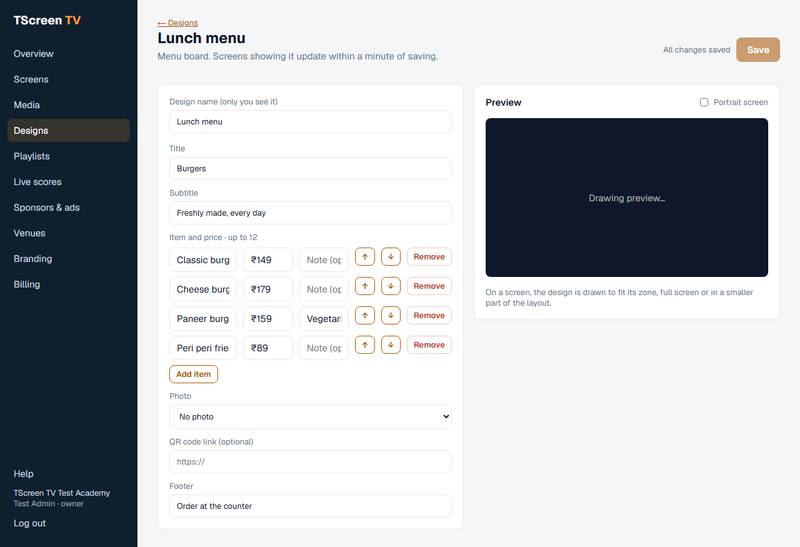
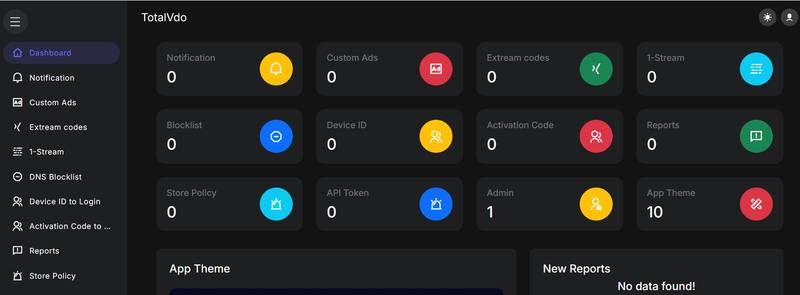
An admin panel. Each organization’s admins set their own alert thresholds, escalation levels and response steps, and manage their users.
A live map dashboard. Built on the ArcGIS API, it shows live incidents on a map so a team can see what is happening, where, and act on it.
A Slack app. Organizations subscribe to alerts and receive them in Slack. Users subscribe and unsubscribe with Slack commands, built on Slack’s Bolt framework.
How it works
The platform is multi-tenant: every organization’s data and access are isolated, with event logs and tenant data in DynamoDB. The front end is React with TypeScript; the APIs run on Node.js and Express. All the AWS infrastructure, from IAM and API Gateway to ECS and CloudFront, is defined in code with AWS CDK, so the platform is deployed and scaled from one pipeline.
This is the kind of cloud and integration work our API integration and cloud team does, with the web front end built by our custom web application team.
Building an alert system people trust
An alert is only useful if people act on it, and they stop acting on alerts that fire too often. That is why each organization sets its own thresholds and escalation levels: a wildfire far from any site is information, one close to a depot is an emergency. Alerts should arrive where teams already work, which is why ours go to Slack as well as through Amazon SNS. Each organization’s data has to stay its own, so isolation is built into the data model from the start, not added later. And the infrastructure should be code, so a new region or a rebuilt environment comes from the same tested definition every time.
The result
Teams respond faster because they see events as they happen, on a map, instead of piecing them together from several sources. One platform serves many organizations, each with its own settings, and alerts reach people in Slack and through Amazon SNS, cutting the delay in getting word out during a crisis.
If you need real-time alerts, maps or a Slack integration on AWS, tell us what you need to watch and who needs to know.