The brief
A well-known grocery delivery platform wanted to compete on speed. In quick commerce, a shopper expects groceries at the door within minutes, so every step has to keep up: the order, the stock check, the store that picks it and the rider who carries it. The platform asked us for a quick commerce grocery delivery app and the whole system behind it.
That meant four kinds of users with four different jobs. Shoppers browse and pay. Vendors keep stock and prices right. Delivery partners pick up and drop off. The operations team watches all of it and steps in when something goes wrong.
What we built
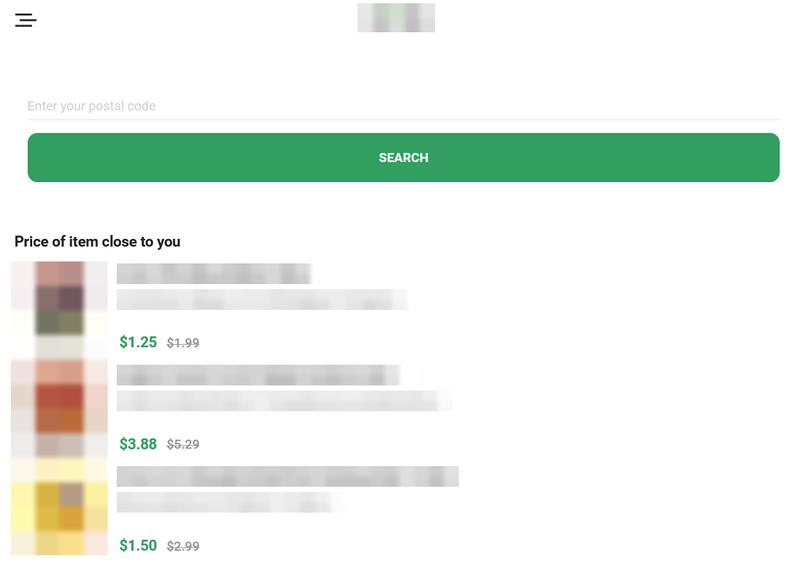
Customer web and mobile apps. Product browsing with live stock, a cart, checkout with cards, wallets, UPI or cash on delivery, and order tracking from confirmation to the door. The mobile apps are built in React Native, so iOS and Android share one codebase with the React website.
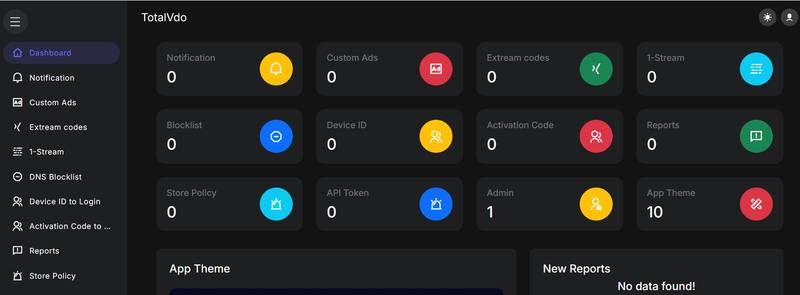
Admin dashboard. One control panel for products, orders, deliveries and analytics, so the operations team runs the whole service from one place.
Vendor panel. Vendors manage their own stock, prices and order fulfilment. Stock changes reach shoppers’ apps straight away, so nobody pays for an item that has run out.
Delivery partner app. Riders see their assigned orders, the pickup and drop-off points and the route, and update each order’s status as they go.
How it works
Orders move in real time. WebSockets and Firebase push each change, from “placed” to “picked” to “on the way”, to the shopper, the vendor and the rider at once, with no screen refresh. Geo-tracking places each rider on the map, and routing picks the quickest path for each delivery.
Inventory is synchronized automatically between vendors and the customer apps. The backend runs on Node.js and Express with PostgreSQL, hosted on AWS and Vercel and built to stay reliable under heavy traffic.
This is the kind of multi-app system our mobile app development and custom web application teams build together, with payments and maps connected through our API integration work.
Planning a quick commerce app of your own
Most of the work in quick commerce is not the shopping screen. Decide early where the true stock count lives, because every app reads it and a wrong number costs a refund and a customer. Plan the payment mix for your market: in India that means UPI and cash on delivery next to cards and wallets, each with its own refund path. Give vendors and riders apps as carefully designed as the shopper’s, since a slow pick or a confusing route shows up as a late order. And design the admin dashboard around the exceptions your team will handle every day: out-of-stock items, failed payments and late riders.
The result
Orders are fulfilled faster, and processing an order now takes seconds instead of minutes. The platform was built for heavy traffic, and every party works from the same live data: shoppers track their order, vendors keep stock right, riders follow the best route and the operations team sees the whole service in one dashboard.
If you are planning a delivery, marketplace or on-demand app with several kinds of users, tell us who uses it and what each of them needs to do.