The brief
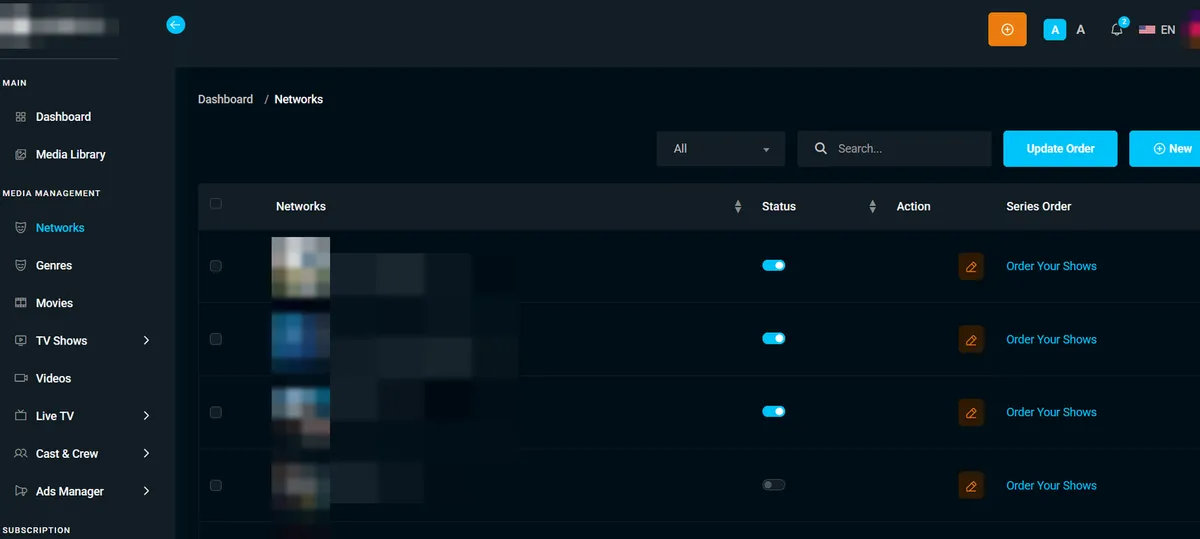
Broadcasters and content owners who launch a streaming service all need the same thing behind the apps: one place to manage the catalog, the live channels, the viewers who pay and the ads that earn money from the ones who do not. Building that from nothing for every client is slow and expensive.
So we built our own video streaming CMS: ready to use, and customized for each service we launch. It is the starting point for most of our OTT platform development projects.
What it does
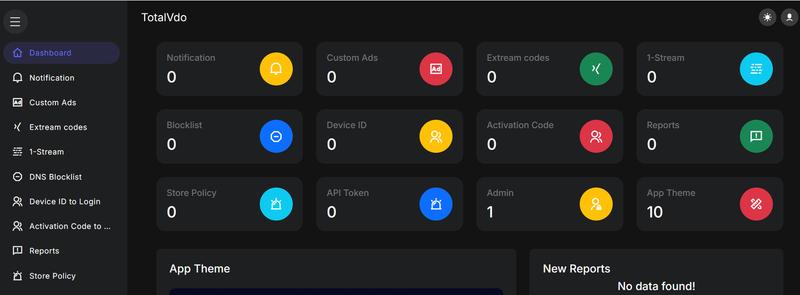
A dashboard that shows the whole service. Totals for live channels, movies, TV series and episodes, registered users, active subscriptions and new users this month, on one screen.
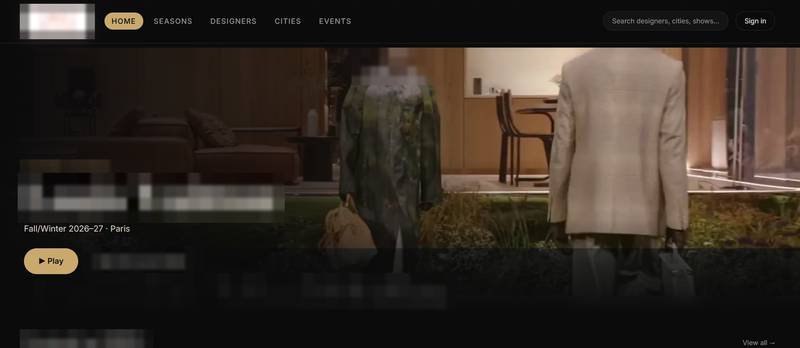
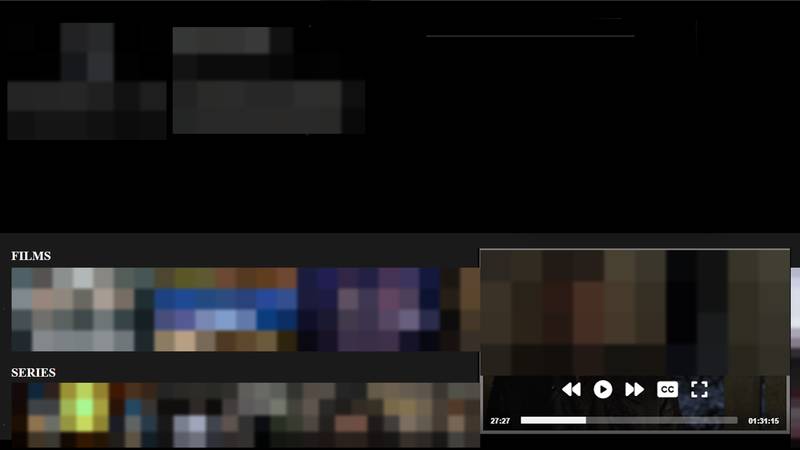
Video on demand. Movies and TV series, with episodes, genres, cast, publishing year and rating. Editors can mark a title as featured to put it on the apps’ home screens, and find any video by category.
Live channels. Live feeds are added and managed next to the on-demand catalog, so a viewer finds live TV and recorded shows in the same apps.
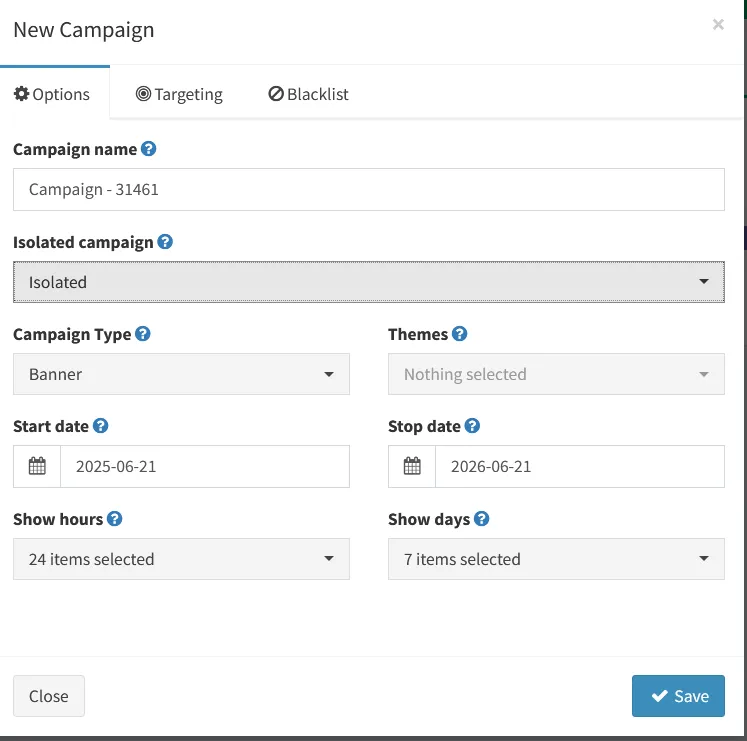
VAST ad management. Each channel gets its own VAST ad tags, with several ads per channel. Editors set when each ad plays, by time code, and change ad tags or timing without a new app release.
Members and plans. Viewer accounts, membership packages and subscription status, plus admin users with their own logins, reports and settings.
How it works
The CMS is the single source for every app. Web, iOS, Android and smart TV apps read the same catalog, the same member rights and the same ad settings, so a change made once shows up on every screen. That is how our smart TV app development and live streaming teams ship apps quickly: the backend is already there.
What to look for in a streaming CMS
Whether you use ours or another, check five things before you commit. The catalog should be separate from the apps, so one change reaches every screen. Live channels and on-demand video should sit in one place, so viewers find both in the same app. Ad settings should live on the server, so ad tags and timing can change without an app store release. Members, plans and subscriptions should be part of the same system, not a spreadsheet beside it. And editors should have their own logins and roles, with reports they can read without asking for an export.
The result
Content owners run their service from one admin panel: they publish titles, add live channels, sell memberships and earn from ads without calling a developer. For each new client we change the parts that make their service different, not the parts every streaming service needs.
If you want to launch a streaming service on web, mobile and TV, tell us about your content and how you plan to earn from it.